Free UK Delivery on All Orders

By Eoin O'Brien2026-05-075 min read

The Ultimate Guide to Thermal Imaging and Night Vision Binoculars: Choosing the Best for UK Outdoors in 2026

A practical buyer's guide to thermal imaging and night vision binoculars for wildlife observation, security patrols, and search and rescue across British terrain — with real specs, honest opinions, and UK-specific advice.

How Thermal Imaging and Night Vision Binoculars Actually Work

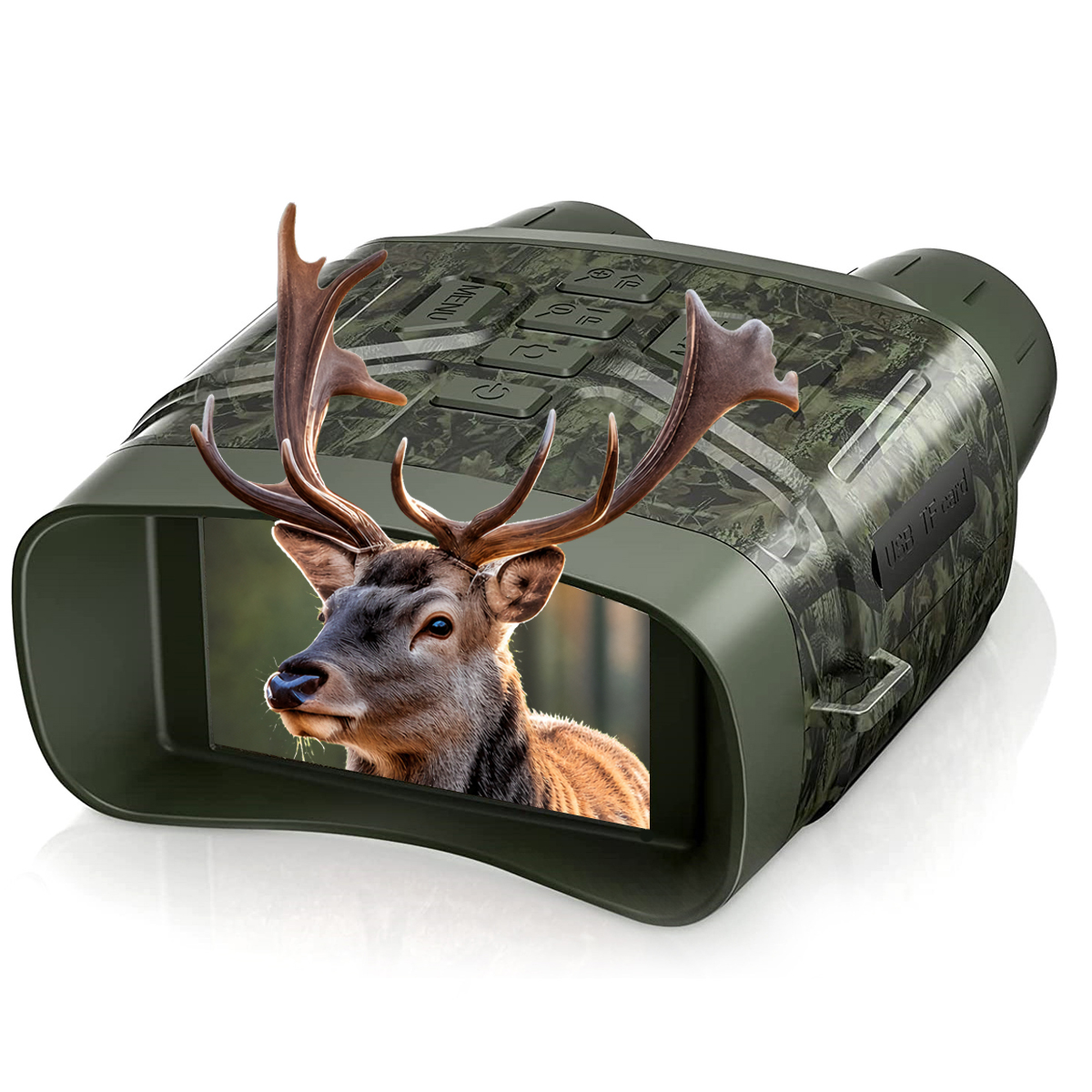
Thermal imaging and night vision binoculars product showcase

Thermal imaging and night vision binoculars combine two distinct detection technologies into a single optical device. Thermal sensors detect infrared radiation (heat signatures between 8–14μm wavelength), while night vision amplifies available ambient light or uses active IR illumination to produce a visible image in darkness.

I've spent plenty of evenings out along the Lagan towpath near my place in south Belfast, watching for otters and foxes. Trust me — once you've used a decent pair of infrared night vision goggles on a pitch-black February night, you won't go back to squinting through standard binos.

The Two Core Technologies

Night vision works in two ways. Traditional image intensifier tubes (Gen 1 through Gen 3) amplify photons. Digital night vision goggles use a CMOS sensor paired with IR illuminators — essentially a specialised camera. The digital approach is what's made the technology affordable for civilian use in the UK.

Thermal imaging is a different beast entirely. It doesn't need any light at all. A microbolometer array detects heat differences as small as 0.05°C (known as NETD — Noise Equivalent Temperature Difference). That means you can spot a badger behind a hedgerow at 200 metres, even in complete darkness, fog, or light rain.

Key fact: Digital night vision requires some IR illumination to function in total darkness (typically 850nm or 940nm wavelength LEDs), while thermal imaging works with zero ambient light by detecting heat radiation alone.

Thermal vs Digital Night Vision Binoculars: Which Do You Need?

The best night vision binoculars for your situation depend entirely on what you're trying to do. Pure thermal excels at detection — finding living things in darkness. Digital night vision excels at identification — seeing detail, texture, and colour in low light.

Digital Night Vision: The Affordable Option

Digital night vision binoculars for adults typically cost between £80 and £500. They're brilliant for casual wildlife watching, property surveillance, and general outdoor use. Modern 4K night vision binoculars deliver genuinely impressive image quality — we're talking 3840×2160 resolution with 36MP to 112MP photo capture.

The catch? They struggle in fog, heavy rain, and dense vegetation. If there's no clear line of sight, digital NV won't help much.

Thermal Imaging: The Detection Specialist

Thermal devices start around £800 and run well into the thousands for professional-grade kit. They'll find a deer at 500+ metres through mist that would render digital NV useless. But — and this is the trade-off — thermal images lack the fine detail you get from digital. You'll see a heat blob, not fur texture.

Hybrid/Fusion Devices

The real sweet spot in 2026 is hybrid thermal and night vision binoculars that overlay thermal detection onto a digital NV image. These multispectral devices (like the Pulsar Symbion series) combine both feeds. Expensive? Yes — typically £3,000 to £8,000. Worth it for professional use? Absolutely.

Best Uses for Thermal Imaging and Night Vision Binoculars in the UK

Night vision binoculars in use for UK wildlife and outdoor applications

The UK's climate and terrain create specific challenges that make night observation equipment particularly useful — and particularly demanding.

Wildlife Observation

Britain's most interesting mammals are nocturnal. Badgers, otters, pine martens, hedgehogs — they're all active after dark. I've been doing nocturnal wildlife watching around the Mourne foothills for years now, and the difference between a cheap pair of night vision goggles and a proper 4K unit is night and day. Well, actually — night and slightly-less-night.

For wildlife enthusiasts, digital night vision goggles with 4K recording capability are ideal. You want at least 5x optical zoom, IR illumination range of 300+ metres, and decent battery life (5+ hours for a full evening session). If you're looking for a gift for a wildlife enthusiast, a quality pair of night vision binoculars is hard to beat.

Security and Property Surveillance

Rural crime costs UK farms an estimated £49.5 million annually. Tactical night vision goggles give landowners and security teams the ability to monitor boundaries, detect intruders, and gather evidence. For security applications, thermal detection range matters more than image resolution — you need to spot someone at distance, not read their name badge.

Search and Rescue

Mountain rescue teams across the UK increasingly rely on thermal imaging to locate missing persons. In the Brecon Beacons, Snowdonia, or the Scottish Highlands, thermal binoculars can detect a human heat signature at 1,000+ metres even through light woodland cover. That capability saves lives.

Airsoft and Recreational Use

Night vision goggles for airsoft UK players have become hugely popular. Most recreational users don't need military-grade kit — a solid pair of digital night vision goggles in the £100–£300 range provides enough advantage for night games without breaking the bank.

Key Specifications When Choosing Night Vision Binoculars UK

Don't get blinded by marketing. These are the specs that actually matter for real-world performance in British conditions.

Resolution and Sensor Quality

The best 4K night vision goggles now offer 112MP photo resolution and 4K video recording at 30fps. That's a massive jump from even two years ago. hotpeak's 4K night vision goggles feature 112MP resolution with advanced infrared technology — the kind of clarity that lets you identify species at 200+ metres in darkness.

IR Illumination Range

This determines how far you can see in total darkness. Budget units offer 100–200m range. Mid-range hits 300–400m. Professional units push beyond 500m. For UK woodland and field use, 300m is the practical minimum I'd recommend.

Zoom Capability

Digital zoom degrades image quality. Optical zoom doesn't. Look for at least 5x base magnification with 10–12x digital zoom for versatility. A 12x zoom capability lets you observe from a comfortable distance without disturbing wildlife.

Battery Life

British winter nights are long — 16+ hours of darkness in December up here in Northern Ireland. You need minimum 5,000mAh battery capacity for a full evening session. Some units offer 8+ hours continuous use, which is what you want for serious fieldwork.

Weather Resistance

It rains. A lot. Especially in the west. IP66 rating minimum — that handles heavy rain and splashing. IP67 gives you submersion protection. Given our climate, this isn't optional.

Minimum specs for serious UK use: 4K resolution, 300m+ IR range, 5000mAh battery, IP66 weather rating, 5x optical zoom, 64GB storage capacity.

2026 Comparison: Thermal Imaging and Night Vision Binoculars for UK Buyers

Thermal and night vision binoculars comparison for UK buyers

Here's how the main categories stack up for UK outdoor use this spring. I've focused on what matters for our conditions — rain resistance, detection range in typical British terrain, and value for money.

Feature Budget Digital NV (£80–£200) Mid-Range 4K Digital NV (£200–£500) Professional Thermal + NV Hybrid (£3,000+)
Resolution 1080p / 12MP photo 4K / 36–112MP photo 640×480 thermal + 4K digital overlay
Detection Range 100–200m 300–500m 1,000–2,000m (thermal)
IR Wavelength 850nm (visible glow) 940nm (invisible) Passive thermal (no IR needed)
Battery Life 3–4 hours 5–8 hours 4–6 hours
Weather Rating IP54–IP65 IP66–IP67 IP67–IP68
Zoom 3–5x digital 5x optical + 8–12x digital 2–8x optical + thermal fusion
Recording 720p–1080p video 4K video, 64GB+ storage 4K video, Wi-Fi streaming
Best For Casual use, garden wildlife Serious wildlife, security SAR, professional survey, gamekeeping
Fog/Rain Performance Poor Moderate Excellent (thermal penetrates)

So what's the sweet spot for most UK buyers? Honestly, the mid-range 4K category offers the best bang for your buck. You get genuinely useful performance without spending mortgage-deposit money. The HotPeak 4K night vision binoculars with 12x zoom and 5000mAh battery sit right in this category — 112MP resolution, 64GB card included, and enough IR range for serious fieldwork.

The 4K Night Vision Revolution: Why Resolution Matters in 2026

4K night vision binoculars demonstrating high resolution capability

Two years ago, 4K night vision goggles were a gimmick. Sensors couldn't handle the low-light processing demands. That's changed dramatically.

Modern CMOS sensors with back-illuminated pixel architecture now deliver genuine 4K capture in conditions down to 0.001 lux. That's starlight-only territory. Pair that with 940nm invisible IR illumination — which doesn't spook wildlife or alert intruders — and you get usable footage that's actually worth reviewing.

Why does 4K matter practically? Species identification. At 1080p and 200 metres, a fox and a large cat look similar. At 4K with 12x zoom, you can count whiskers. For wildlife surveys, conservation work, or just knowing what's raiding your bins — that detail is the difference between useful data and guesswork.

My mate runs a pest control business outside Lisburn and switched to 4K night vision binoculars last autumn. He reckons it's cut his survey time by half because he can identify and locate targets from a single observation point rather than walking circuits. Hard to argue with that.

For those wanting to see everything in the dark, the combination of 4K resolution, high-capacity batteries, and improved IR illuminators makes 2026 a genuinely good time to buy into this technology.

Frequently Asked Questions

Are thermal imaging and night vision binoculars legal in the UK?

Yes, completely legal for civilian purchase and use. No licence or registration is required. Digital night vision, thermal imaging, and hybrid devices are all unrestricted. The only legal issues arise from using them to help criminal activity such as poaching or trespass, which is prosecuted under existing law rather than equipment-specific legislation.

What's the difference between 850nm and 940nm infrared illumination?

850nm IR produces a faint red glow visible to humans and some animals at close range. 940nm IR is completely invisible to the naked eye, making it ideal for wildlife observation and covert security. The trade-off is that 940nm provides roughly 30% less illumination range than 850nm at equivalent power, so you'll need a stronger emitter for the same detection distance.

Can night vision binoculars work in complete darkness?

Digital night vision binoculars with active IR illumination work in total darkness — the built-in IR LEDs provide their own invisible light source. Without IR, they need at least some ambient light (starlight or moonlight, approximately 0.001 lux minimum). Thermal binoculars work in absolute zero-light conditions because they detect heat radiation, not reflected light.

How far can 4K night vision binoculars see at night?

Detection range depends on IR illuminator power and sensor sensitivity. Budget 4K units typically reach 200–300 metres. Mid-range models like the HotPeak 112MP binoculars with 12x zoom achieve 300–500 metres in clear conditions. Professional units with high-power 940nm illuminators can detect targets beyond 500 metres, though identification detail drops significantly past 400m.

Do I need thermal or digital night vision for UK wildlife watching?

For most UK wildlife enthusiasts, digital night vision binoculars with 4K resolution offer the best balance of image quality, recording capability, and affordability (£200–£500). Thermal is superior for initial detection in dense cover or fog, but digital NV provides the detail needed for species identification and photography. A 4K digital unit with 940nm invisible IR won't disturb nocturnal animals.

What battery life should I expect from night vision binoculars?

Budget units with 2000–3000mAh batteries last 3–4 hours. Mid-range devices with 5000mAh capacity deliver 5–8 hours depending on IR usage and recording activity. For UK winter nights (16+ hours of darkness), look for units with 5000mAh minimum or USB-C charging capability so you can top up from a power bank during extended observation sessions.

Key Takeaways

  • Thermal imaging and night vision binoculars serve different purposes — thermal detects heat signatures through fog and cover at 1,000m+, while digital NV provides detailed 4K imagery for identification at 300–500m.
  • 4K resolution with 112MP capture is now the standard for mid-range night vision binoculars in 2026, offering genuine species-identification detail at practical distances.
  • 940nm invisible IR illumination is essential for wildlife work — it won't spook animals or reveal your position, unlike older 850nm systems with visible red glow.
  • 5000mAh battery capacity is the minimum for serious UK fieldwork, providing 5–8 hours of continuous use through long British winter nights.
  • No licence is required to buy or use night vision or thermal binoculars anywhere in the UK — they're completely unrestricted for civilian purchase.
  • IP66 weather rating is non-negotiable for British conditions — anything less and you'll be packing up every time it drizzles, which in my experience is most evenings.
  • The mid-range 4K category (£200–£500) offers the best value for most UK users, combining serious performance with accessible pricing for wildlife, security, and recreational use.

Ready to try HotPeak?

Shop Now — £82.48

HotPeak

HotPeak is a British brand committed to delivering cutting-edge night vision technology for outdoor enthusiasts and security professionals. Our ultra-high resolution goggles combine precision and reliability, empowering users to see the unseen, from the wild countryside to urban perimeters.

© 2026 HotPeak. All rights reserved.